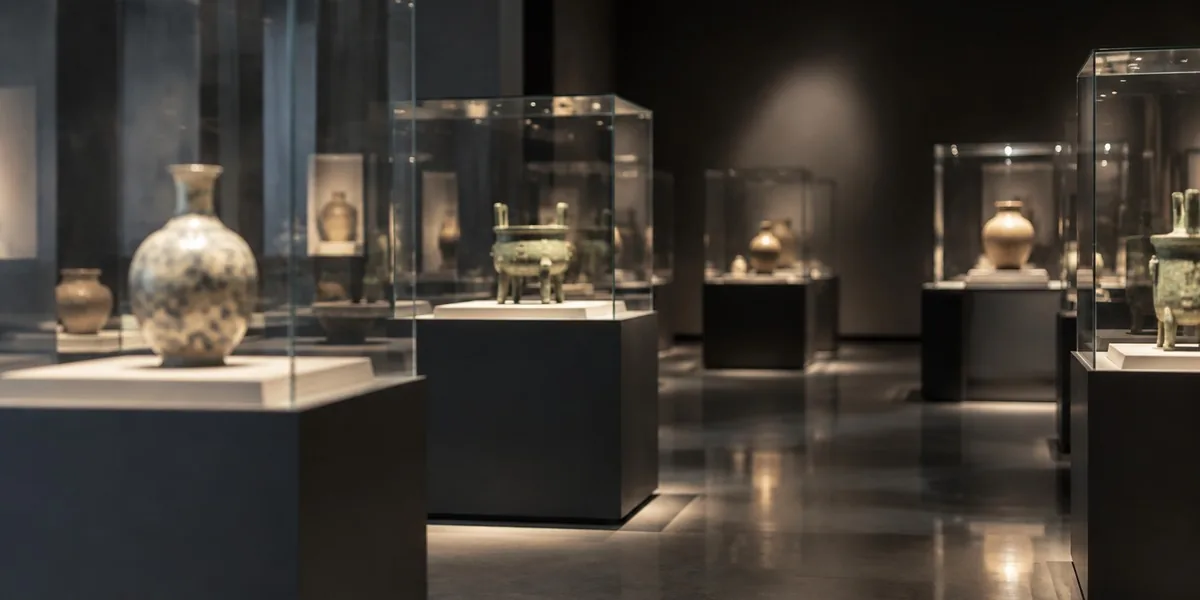
Chinese Ceramic Headrest
A hard ceramic rest for the neck, used in China for sleeping and for resting during the day. Made in Tang and Song forms — the box form, the lion form, the reclining figure — glazed in sancai or in white and blue.
Why a Hard Pillow?
A ceramic headrest sounds uncomfortable to a Western eye. In use it is not a pillow in the Western sense: it supports the neck and jaw, keeps the elaborate hairstyles of the period intact, and stays cool in summer.
It is also an object with a long decorative life. Headrests were made in box form, in the shape of a reclining child, in the shape of a lion or a tiger, and painted with scenes and poetry. Many survive in better condition than the textiles they were made to protect.
Typical Specifications
- Height
- 8–15 cm
- Length
- 12–25 cm
- Width
- 8–15 cm
- Body
- Low-fired earthenware, hand-modelled
Headrests are collected, and the questions collectors ask are the same ones buyers ask about any ceramic: how old, which kiln, what the mark means. We have written about identification separately.
Request a Quote
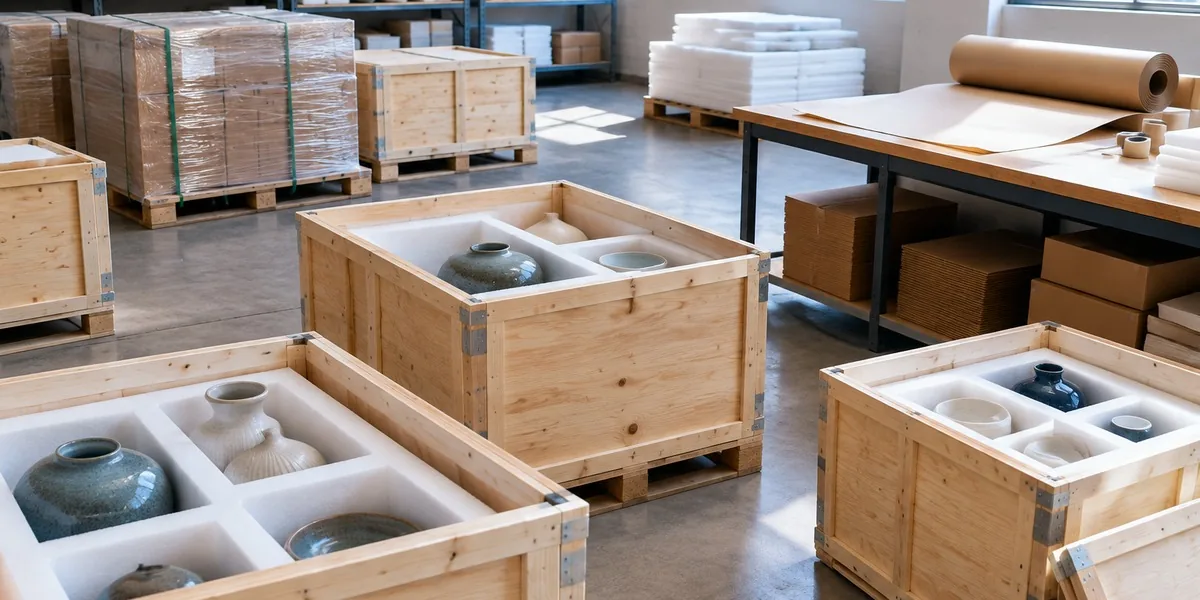
Tell us the craft line, the form, the quantity and the destination. We will come back with a quotation, lead time and packing details for your specification.