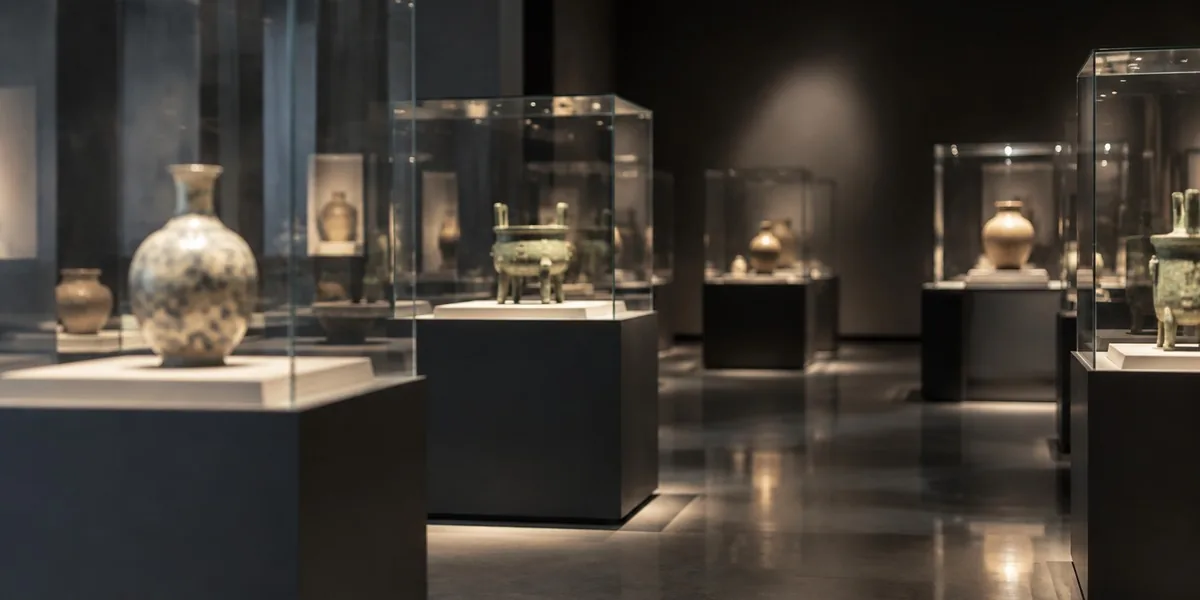
Museum & Gift Shop Supply
Objects that carry a story a visitor can take home — and the documentation to back the story up.
What Museum Buyers Need
- The object must connect to something the visitor has just seen.
- The interpretation has to be accurate — a curator will check it.
- The price point has to work at a museum shop margin.
- Repeat supply matters: a bestseller cannot disappear next season.
- Documentation has to survive an institutional procurement review.
- Selection
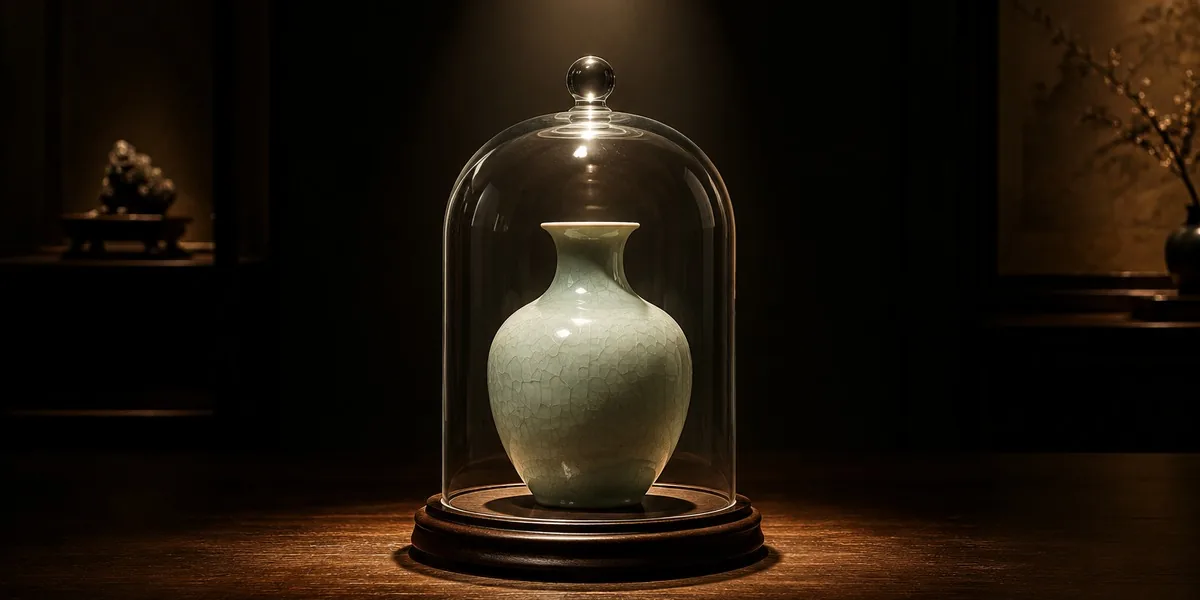
- Forms drawn from the Tang and later repertoire, matched to your exhibition or your permanent collection themes.
- Customisation
- Exhibition-specific forms, interpretation cards and packaging.
- Logistics
- Export packing and documentation prepared for institutional receipt.
- Terms
- Payment terms agreed per order and stated on the quotation.
Interpretation Support
We can supply the historical background for each object — period, form, what it was used for, and what it is a reproduction of. We do not write your interpretation text, but we will give you the material to write it from.
What We Do Not Do
We do not supply originals, and we do not describe a reproduction as anything other than a reproduction. Every piece is made in the present day, and the documentation we supply says so. Where a label has to state what an object is, we would rather it stated it plainly.
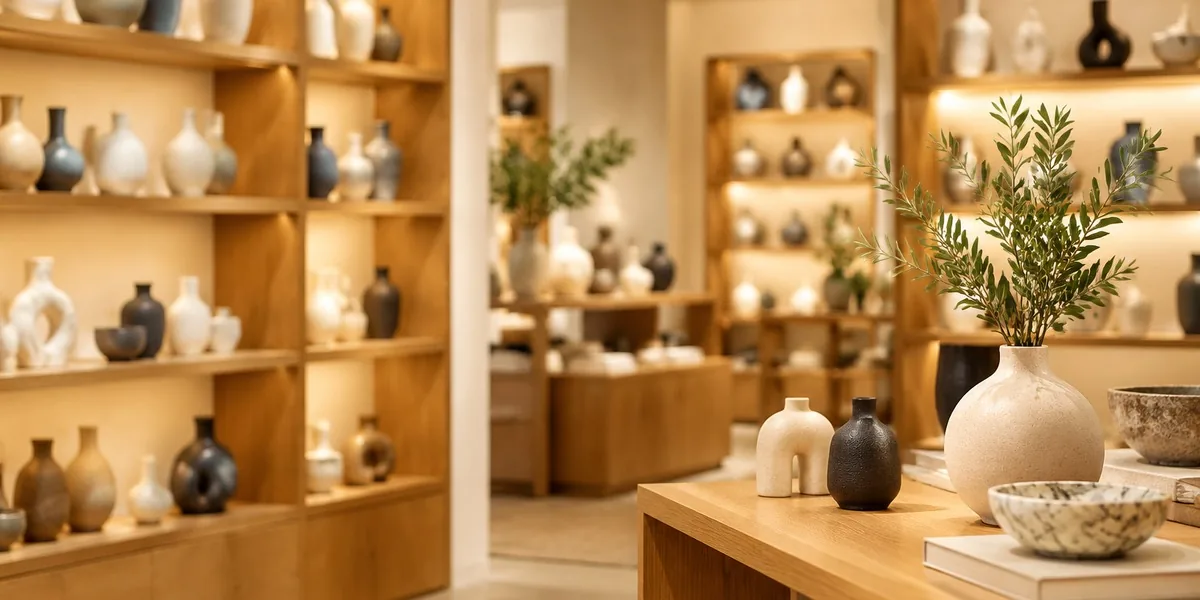
Recommended Lines
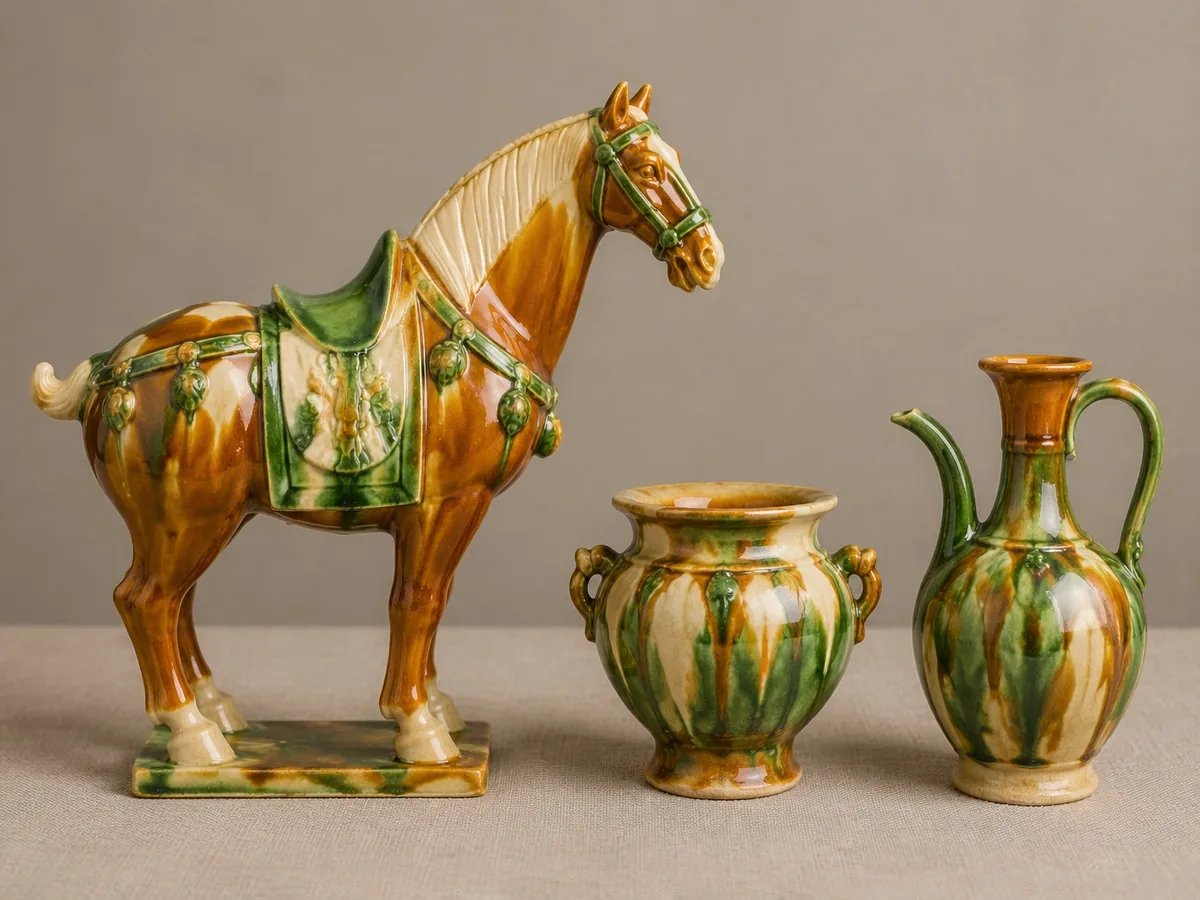 Tang Sancai Tri-Color CeramicsAmber, green and cream lead glazes on a low-fired body. Horses, camels, figures, headrests, vessels.
- Form
- Glaze
- Scale
- Packaging
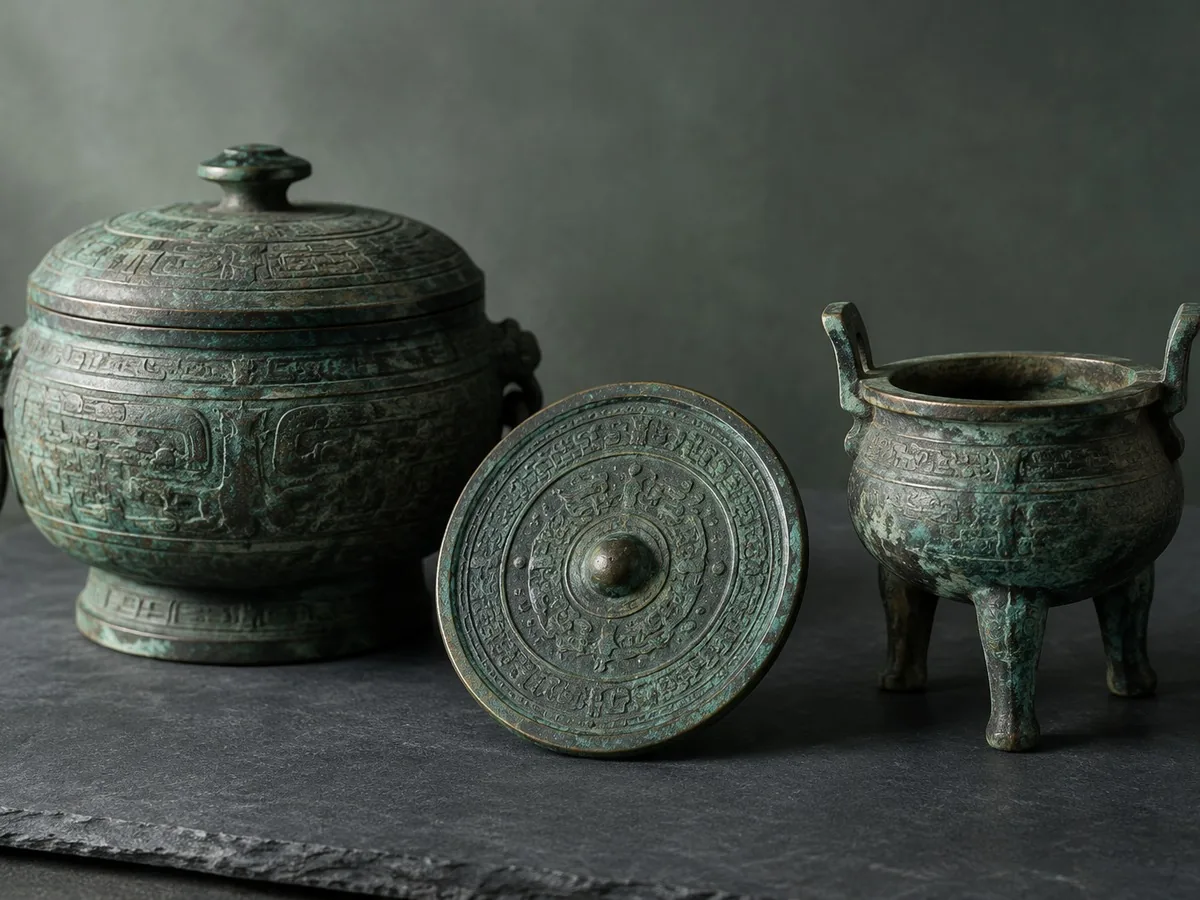 Bronze ReplicasLost-wax cast, hand-chased and patinated. Vessels, figures, animals, mirrors.
- Form
- Patina
- Scale
- Commission work
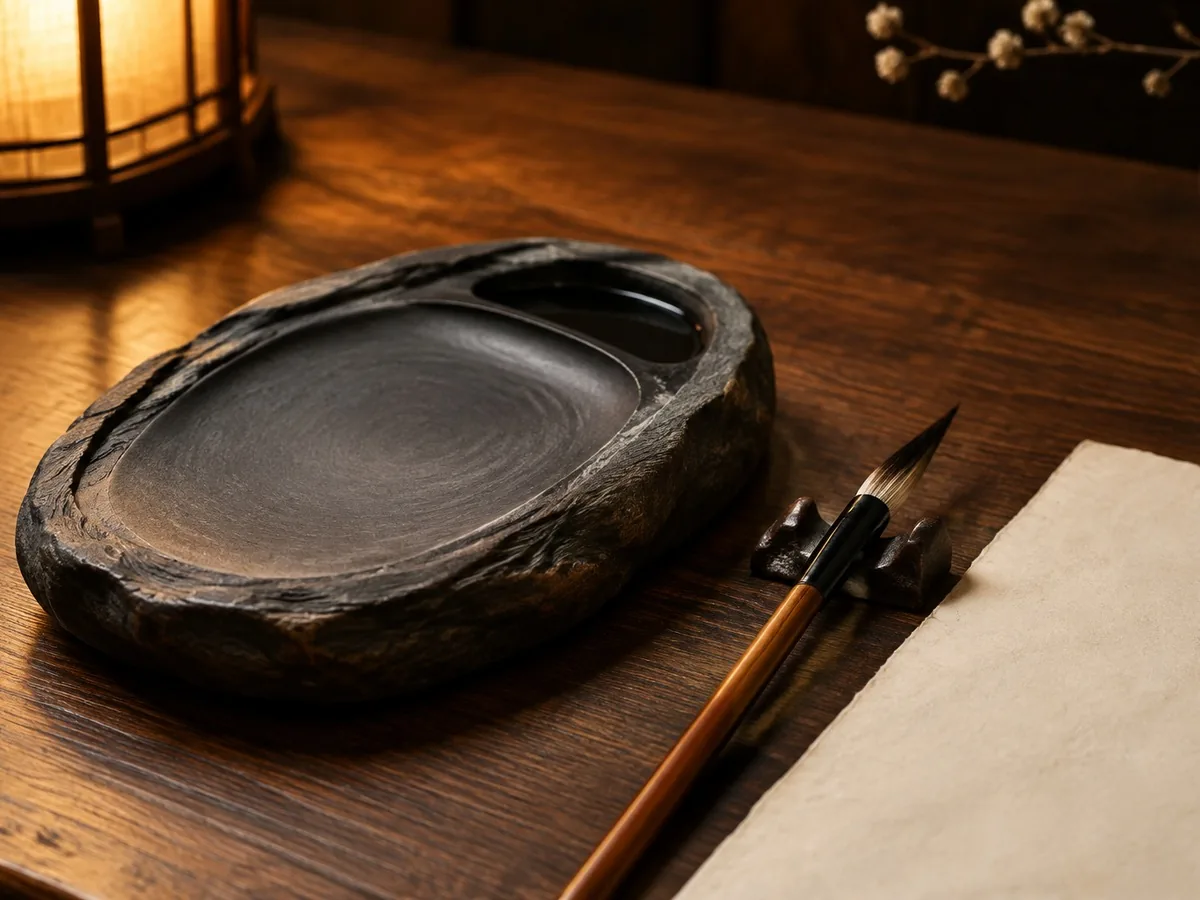 Chengni InkstoneFired Yellow River silt, hand-finished. A scholar's object.
- Form
- Carving
- Presentation
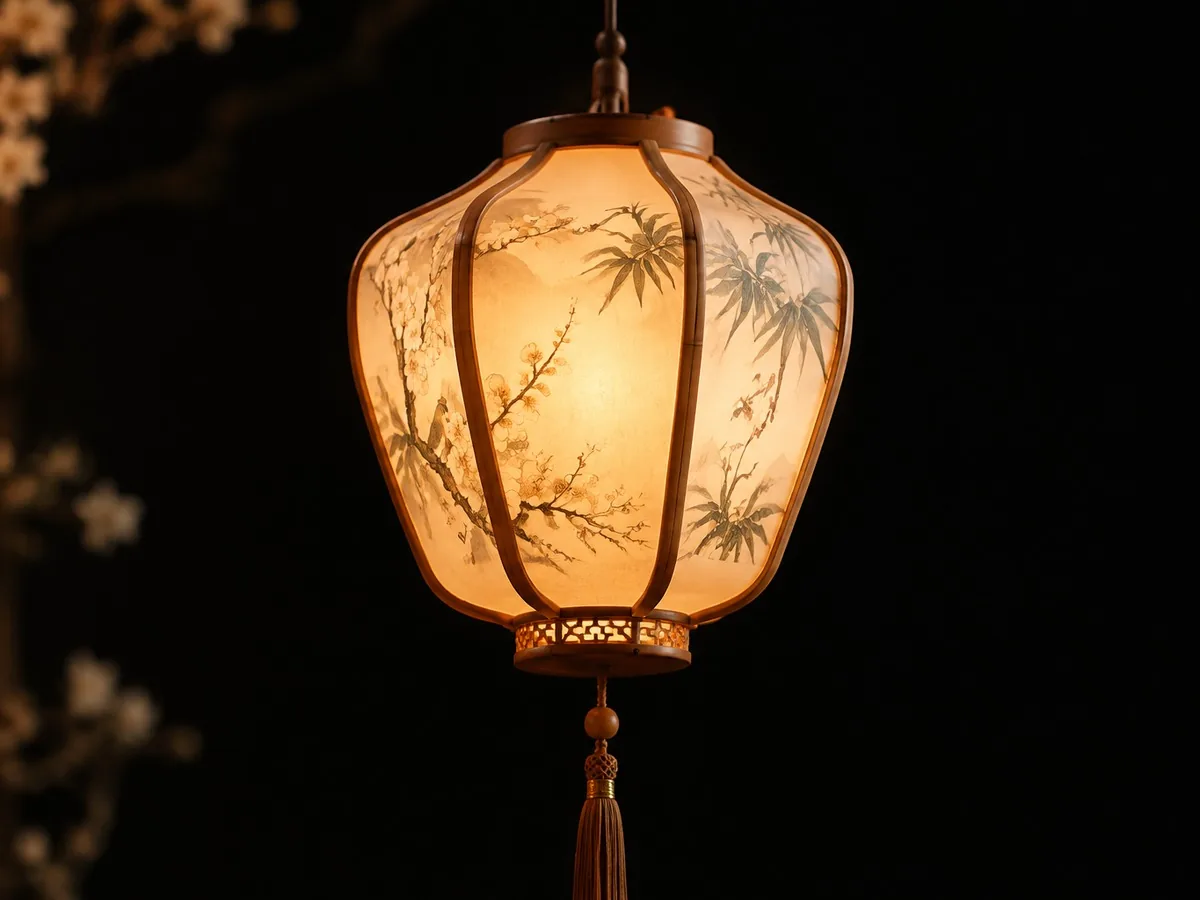 Luoyang Palace LanternsBent-wood frame, silk panel, hand-painted. For interiors, events and retail.
- Form
- Panel
- Voltage
- Packing
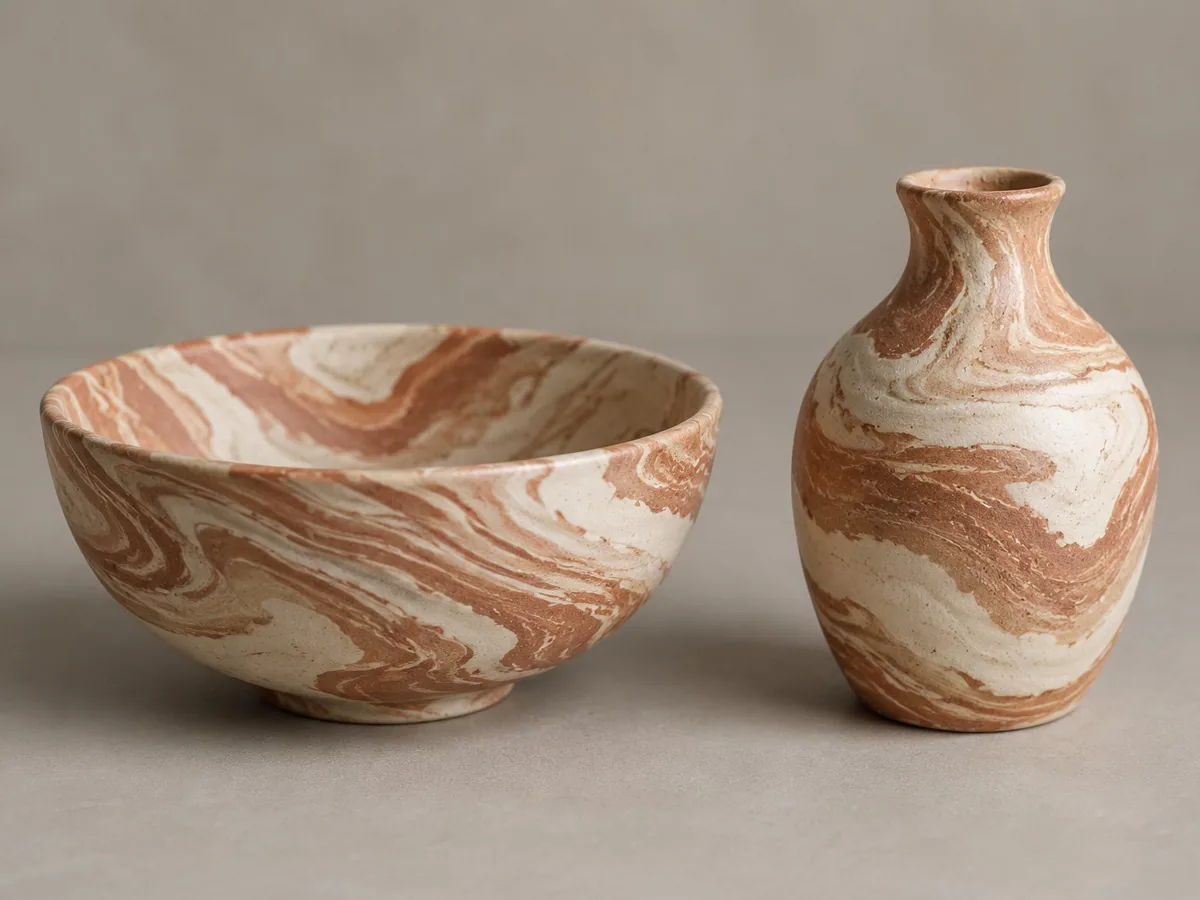 Marbled SancaiPattern runs through the clay body, not on it.
- Clay pairing
- Form
- Finish
How It Works
- Enquiry — tell us the channel, the craft line and the volume you have in mind.
- Selection — we propose forms and grades that suit your price band and your customer.
- Sampling — a sample is made and approved before any production run.
- Production — the run is made to the approved sample, with the grade stated on the order.
- Shipping — export packing, documentation and consolidated shipping arranged to your destination.
Typical Scenarios
A museum shop is buying against an exhibition rather than a catalogue. The brief arrives as a theme and a date — a period, a site, a motif the visitors have just walked past — and the selection is built around that theme rather than around what happens to be in stock.
The second shape is a shop that needs the object to explain itself. The piece has to survive being picked up and asked about, so the form is chosen for what it shows at arm's length, and the background we supply is written to be read in a few lines next to it.
Request a Quote
Tell us the craft line, the form, the quantity and the destination. We will come back with a quotation, lead time and packing details for your specification.