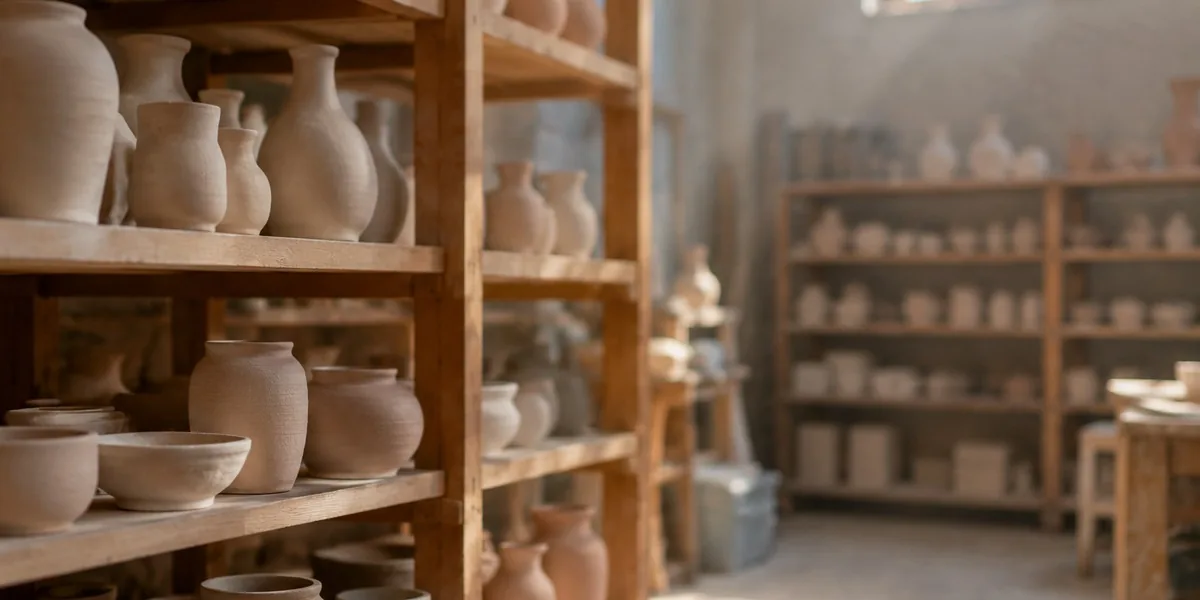
The Workshops & the Makers
Every craft line on this site is made in Luoyang, in workshops where the work is organised the way the trade has always organised it: the craft is held by people who were taught it by hand, and who are teaching it to someone else. This page is about that system — how the work is learned, how it is recognised, and what it means for what you buy.
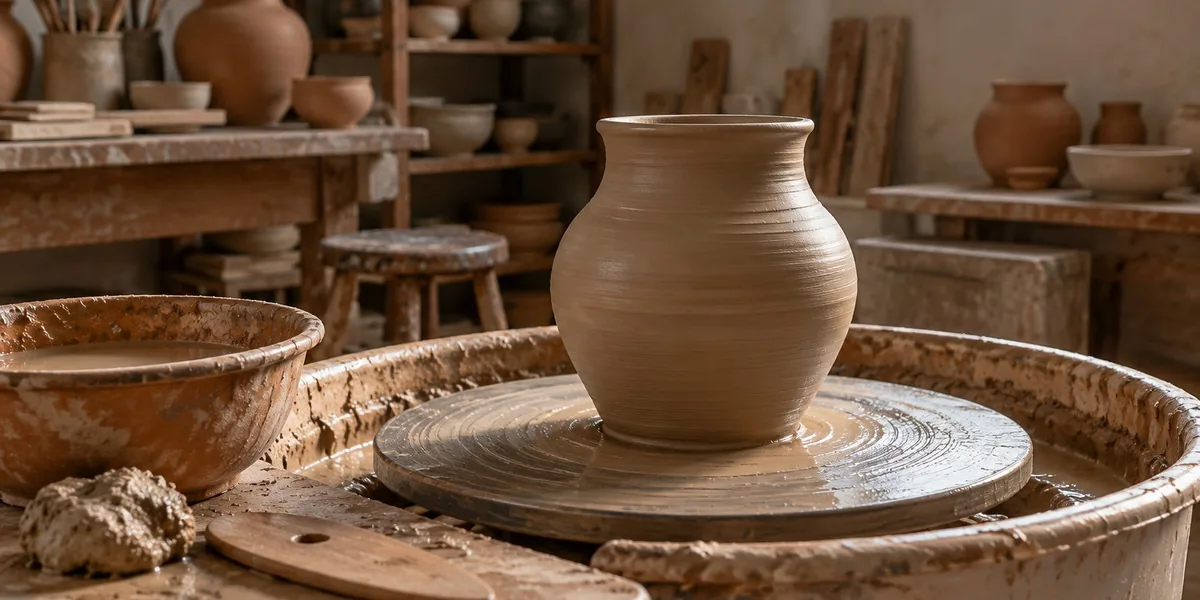
How the Craft Is Passed Down
Taught by Hand
Traditional craft is work mainly done by hand, shaped to the material in front of the maker. The plan for its revival says it has a quality industrial production cannot replace — and knowledge like that cannot be written down and read.
Judgement, Not Steps
Two lumps of clay behave differently. What passes between the person teaching and the person learning is not a list of steps but judgement — knowing what the material in front of you will allow.
Recognised by Teaching
The heritage system does not certify everyone who can make something well. It asks whether a practitioner both carries the craft and is actively passing it on — that condition sits beside skill as a requirement in its own right.
The Ladder, Not the Few
The recognised names are a thin visible layer. The craft is carried by everyone working in it, and the training programmes behind it are aimed at that whole group — not only at the named few.
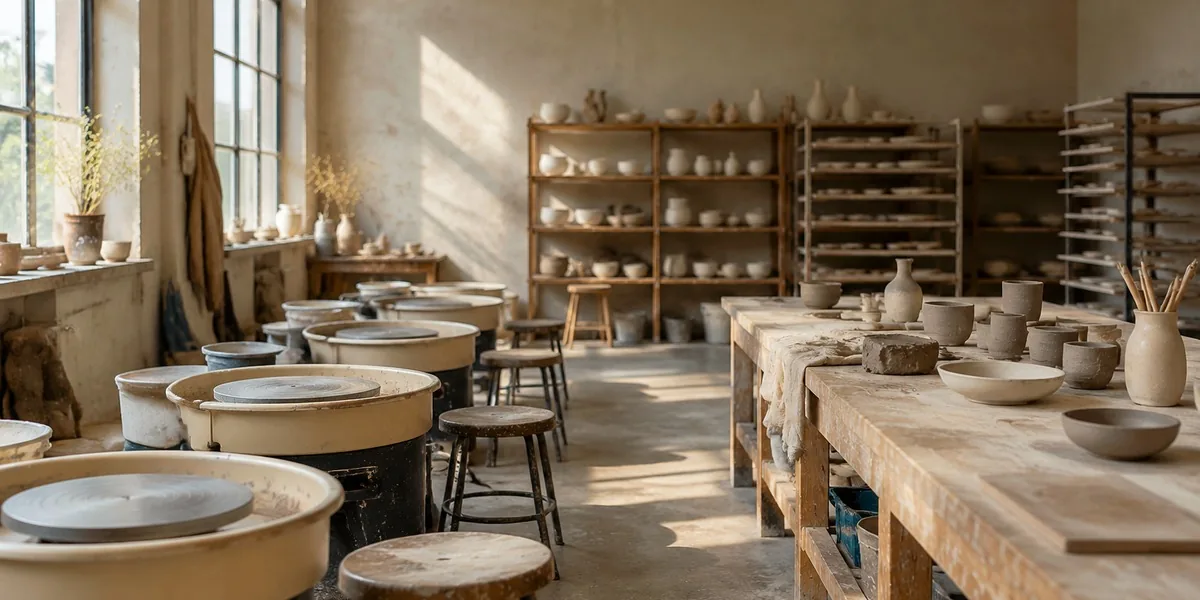
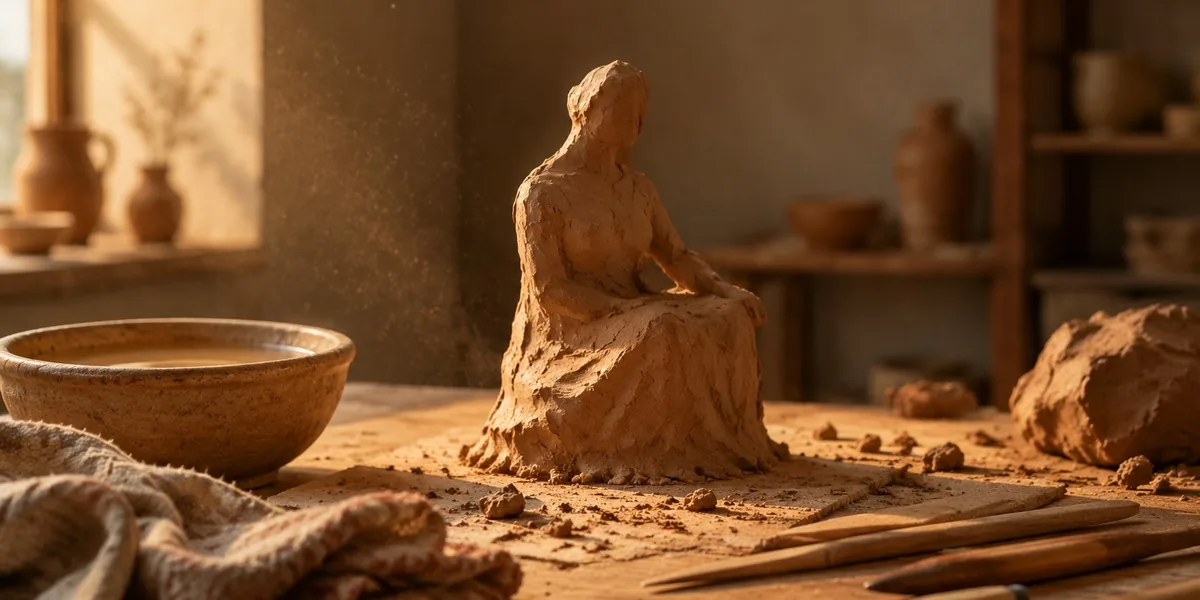
Workshop Photographs
What This Means for a Buyer
Handmade work carries a line of teaching inside it. Somebody showed somebody else how to do this, and that person is still doing it — which is the condition the whole system is built to check.
It is also why no two pieces come out identical, and why a specification sheet can only go so far. Tell us the size, the craft grade and the quantity you need, and we will confirm what can be held to.